
September is a powerful month of recognition for women’s health. It is a time to raise awareness, educate communities, and empower women everywhere about three cancers that deeply affect reproductive health—ovarian, uterine (endometrial), and cervical cancer. While each has its own risks and warning signs, together they remind us of the importance of prevention, early detection, and advocacy for better care.
Why This Month Matters
Gynecologic cancers are often overlooked, yet they impact hundreds of thousands of women each year worldwide. Raising awareness in September helps break the silence, start conversations, and provide resources that could save lives. Knowing the symptoms, encouraging screenings, and pushing for regular check-ups can make the difference between early treatment and late-stage diagnosis.
Ovarian Cancer
Ovarian cancer is often called the “silent cancer” because its early symptoms are vague and easy to mistake for everyday discomforts. Persistent bloating, abdominal or pelvic pain, or changes in appetite may not feel alarming at first, but when these issues continue for weeks, they become red flags. Unfortunately, ovarian cancer is usually diagnosed in later stages, which makes early awareness critical. Women with a family history of ovarian or breast cancer, or those with genetic mutations such as BRCA1 or BRCA2, may face higher risk. Recognizing symptoms and advocating for thorough medical evaluation can make an important difference.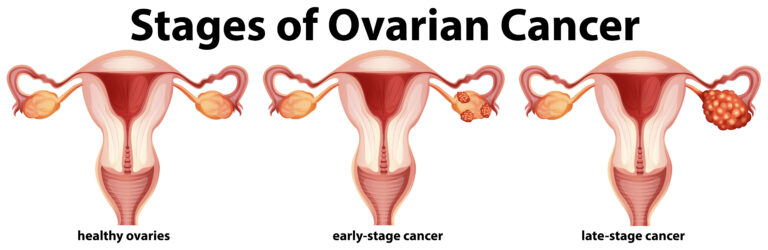
Uterine (Endometrial) Cancer
Uterine cancer, most commonly endometrial cancer, is the most frequently diagnosed gynecologic cancer in the United States. Unlike ovarian cancer, it often presents with clearer warning signs. Abnormal vaginal bleeding, spotting between periods, or bleeding after menopause should never be dismissed as normal changes. These symptoms are the body’s way of signaling that something may be wrong. Risk factors include obesity, hormonal imbalances, and inherited conditions. When caught early, uterine cancer is highly treatable, making it essential for women to pay close attention to changes in their menstrual or postmenopausal health.Cervical Cancer
Cervical cancer tells a story of both challenge and hope. It is strongly linked to persistent infection with the human papillomavirus (HPV), yet it is also one of the most preventable cancers thanks to medical advancements. Regular Pap tests and HPV testing can detect precancerous changes long before cancer develops. The HPV vaccine offers additional protection and has the potential to greatly reduce cervical cancer cases in future generations. Consistent screening and preventive measures are the most effective tools we have, and they highlight the progress that can be made when awareness meets action..
Moving Forward
September is a time to honor the women whose lives have been touched by these cancers, but it’s also a reminder for all of us to be proactive. Making an appointment, asking questions, or sharing information with a loved one may feel like small steps, but they ripple outward. Awareness becomes action, and action becomes protection.
As we recognize Ovarian, Uterine, and Cervical Cancer Awareness Month, let’s carry forward a commitment to care, for ourselves, for our families, and for every woman who deserves the chance at a long, healthy life. Awareness is the first step, but change comes when we put that awareness into practice.