
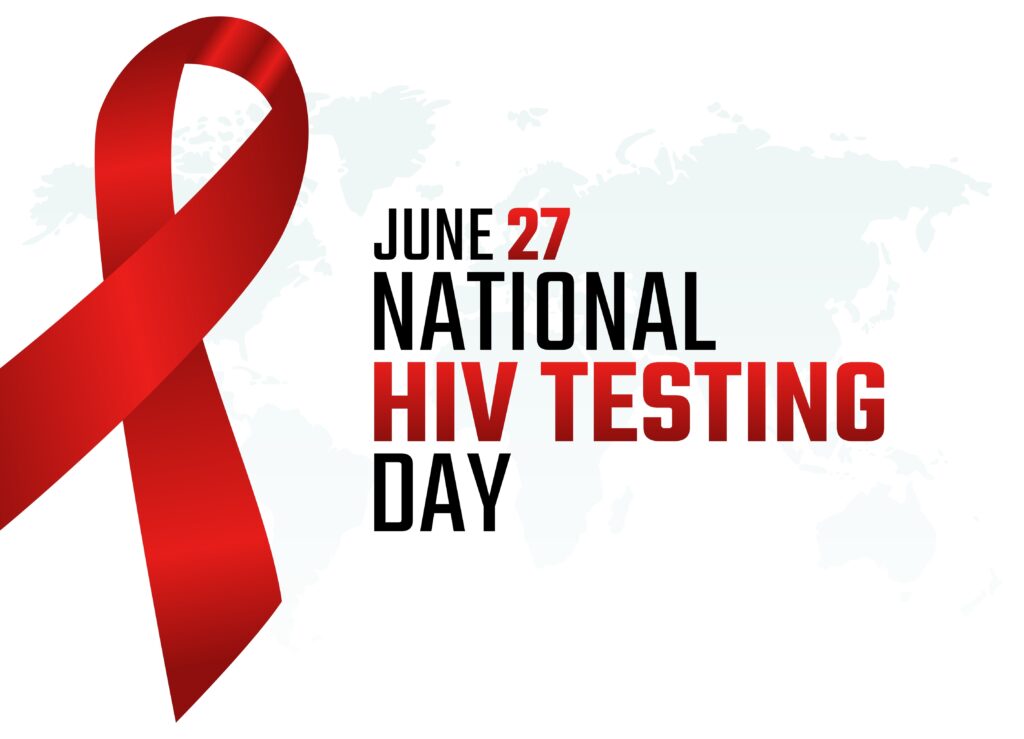
Say Yes, To the Test!
Every year on June 27, National HIV Testing Day highlights the importance of HIV testing and early diagnosis. This observance brings together healthcare providers, public health organizations, and communities across the country to encourage individuals to know their HIV status and make testing a routine part of preventive healthcare. Although significant progress has been made in HIV prevention and treatment, many people may not realize they are living with HIV because symptoms can take years to appear. Testing is the only way to know your status and take the appropriate steps to protect your health.
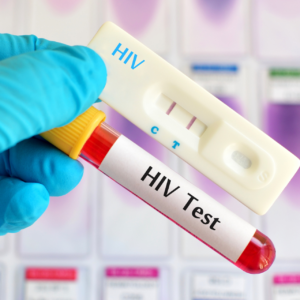
Early diagnosis makes a meaningful difference. When HIV is identified early, treatment can begin before the immune system is significantly affected, helping people live longer, healthier lives. For those who test negative, knowing their status also opens the door to conversations with their healthcare provider about prevention strategies that fit their individual needs and lifestyle.
The Importance of Routine HIV Testing
The Centers for Disease Control and Prevention recommends that everyone between the ages of 13 and 64 be tested for HIV at least once as part of routine medical care, with more frequent testing for individuals who have certain risk factors. Today, HIV testing is quick, confidential, and available through healthcare providers, community health centers, and at-home testing options, making it more accessible than ever before.
Once you have contracted HIV, it will stay in your body for life. It cannot be cured, but it can be managed through medication called antiretroviral therapy (ART). This treatment helps keep the virus under control so that your immune system remains strong and you remain healthy. By taking ART regularly, people with HIV can live long lives without developing AIDS or experiencing any symptoms at all.
However, not everyone has access to this life-saving treatment. For example, in some rural areas where healthcare resources are scarce, people may not have access to regular checkups or ART medication. This lack of access means that they are more likely to experience symptoms of HIV/AIDS or develop AIDS as a result of their infection. That’s why it’s important for us to support organizations that provide healthcare resources—especially ART—to those who need them most.
National HIV Testing Day also reminds us that reducing stigma is just as important as increasing access to testing. HIV is a medical condition, and knowing your status is an act of self-care, not something to fear or avoid. By encouraging open conversations, supporting education, and making testing a normal part of routine healthcare, we can help more people receive the care they need while creating healthier communities for everyone.
Disclaimer: This blog is intended for educational purposes only and should not replace medical advice. Speak with your healthcare provider about HIV testing recommendations and any questions regarding your personal health.